
Trade the Price Moves of Global Companies

Stock trading on SelfMSF lets you go long or short on leading global companies as CFDs, trading the share price without owning the shares or voting rights.

See Which Companies the Market Is Repricing

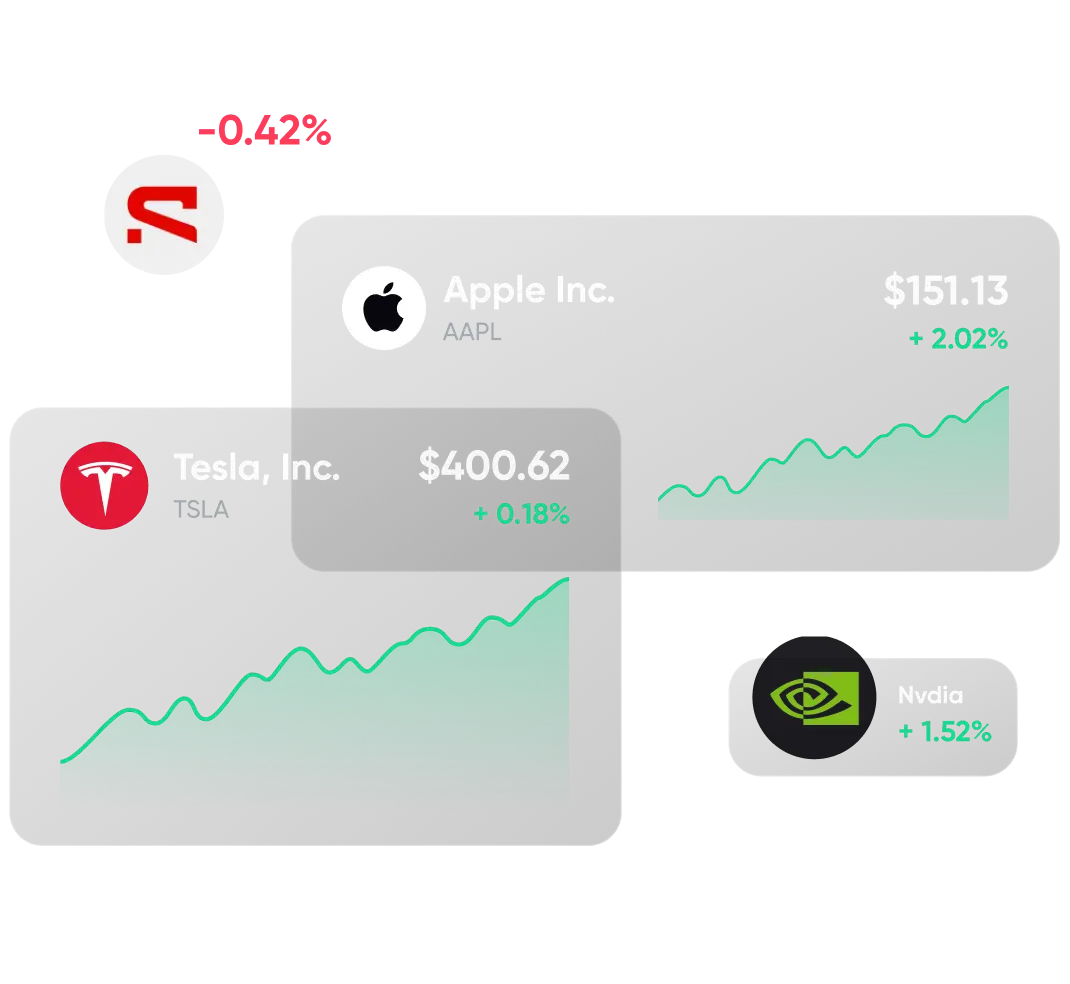
Live share CFD prices on major global companies help you spot the names moving on earnings news before you open a position.

Stock Traders Talk Earnings Season

These traders describe the companies and sectors they follow and how a results announcement changes their week on SelfMSF.

Declan F.
“Bank earnings week is my busiest. If one bank disappoints, I'll sometimes open a small position on another to see if the whole sector follows.”
Declan F., Drogheda, Ireland
Saga L.
“Chip stocks, mostly. Opening a sell position takes the same steps as a buy 👍”
Saga L., Umeå, Sweden
Marcus O.
“I work in retail, which is probably why I follow the supermarket chains so closely. When one updates its full-year outlook, I want to see how the others react the same morning. It took me a while to get used to not owning the shares or getting a vote, but I never went to an AGM anyway 😄”
Marcus O., Victoria, Canada
Bethan J.
“Support explained how a dividend adjusts an open stock position before my first ex-dividend date. Two short paragraphs, and the adjustment on my account matched what they said.”
Bethan J., Cardiff, United Kingdom
Tobias R.
“Swiss shares in the morning, US tech in the afternoon, all from the same login. I like that I don't need a second account for the American names.”
Tobias R., Bern, Switzerland

Line Up Your First Stock Trade

Create Account

Register with your name and email, then confirm your identity to trade share CFDs on global companies.

Deposit

Add funds in your own currency to open positions on global company shares.

Trade Share CFDs

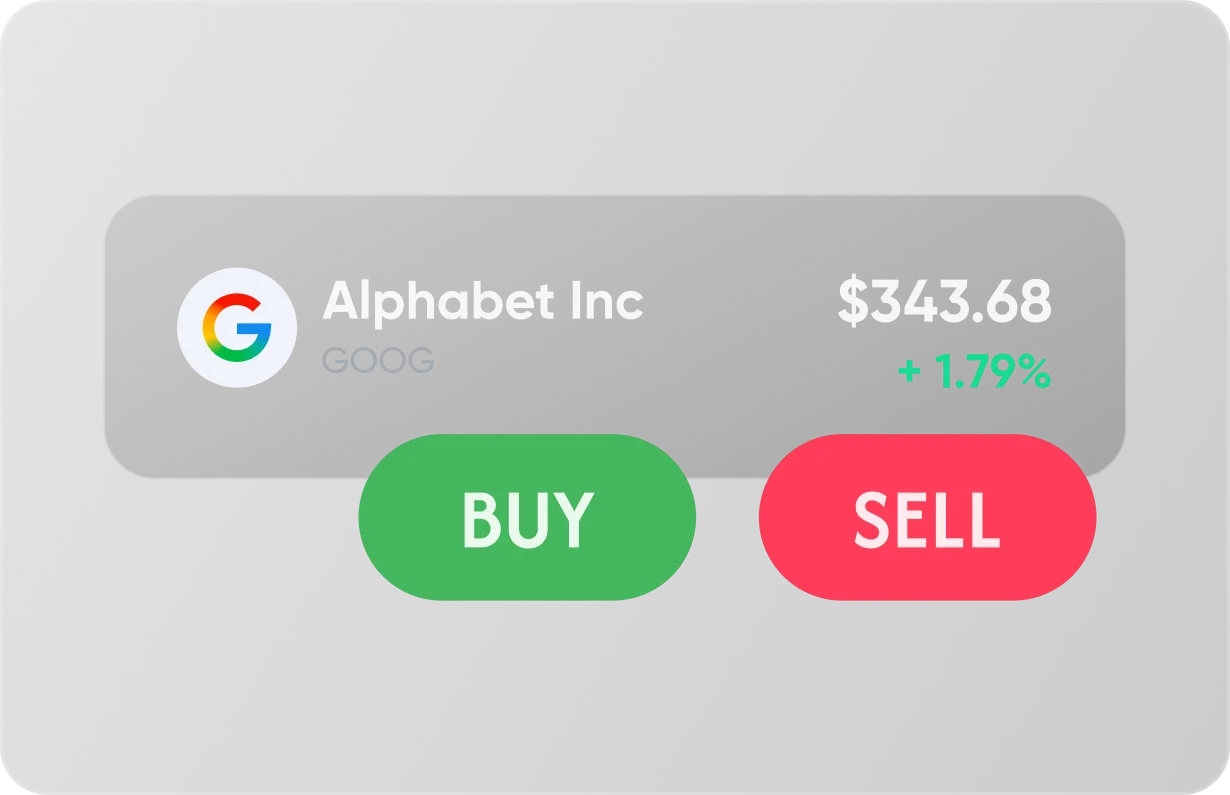
Add the companies you follow by name or ticker, then go long or short on their share prices.

Your Questions on Stock CFDs and Earnings

Answers on ownership and earnings for anyone trading company shares as CFDs on SelfMSF.

Is trading stock CFDs the same as buying shares?

No. Buying shares makes you a part-owner of a company, with voting rights and dividends paid to you. Trading stock CFDs on SelfMSF means taking a position on the share price only, and your gain or loss depends on how far it moves. You can go short as well as long, and a dividend can lead to a cash adjustment on an open position.

Share prices often move on news that changes what investors expect a company to earn. Results and guidance tend to be the biggest triggers, and a product launch, a change of chief executive, a regulator’s ruling or a rival’s warning can also reprice a stock. Interest rates play a part too, because they affect what investors will pay today for earnings expected years ahead.

A stock often jumps or drops after an earnings report because the results differ from what analysts expected. Guidance, the company’s own forecast for the coming quarters, can move the price more than the results just reported. A company can beat forecasts and still see its share price fall if the outlook disappoints. The reaction can also reverse within hours as investors read the details.

Companies in the same sector often share customers and costs, which means news about one can change expectations for the others. A chipmaker’s weak outlook can pull other chip stocks lower the same day, and a jump in oil prices tends to affect airlines as a group. The link isn’t fixed, and a company with news of its own can move against its sector.

A stock gaps when it opens at a different price from its last close, with no trading in between. Companies often publish results before the open or after the close, and news that comes out overnight gets priced in at once when trading resumes. Stock CFDs on SelfMSF generally follow the trading hours of each company’s home exchange, and a stop loss may close at a worse price after a gap.

When a company pays a dividend, its share price usually drops by around the dividend amount on the ex-dividend date. Open stock CFD positions usually receive a cash adjustment to reflect this. A buy position is typically credited and a sell position is typically debited. You don’t receive the dividend as a shareholder, because the CFD gives you price exposure only.

Yes. Stock CFDs can use leverage, with limits that depend on the company, your account level and your jurisdiction. Leverage increases both gains and losses. Individual shares can move sharply on a single headline, and a stock that gaps lower after its results can use up margin quickly. That’s why many traders size single-stock positions smaller than index positions.

Pick Your Companies and Choose a Direction

Create your SelfMSF account, add the companies you follow to a watchlist and trade their share prices long or short while their markets are open.

Sign Up to Trade Stocks →