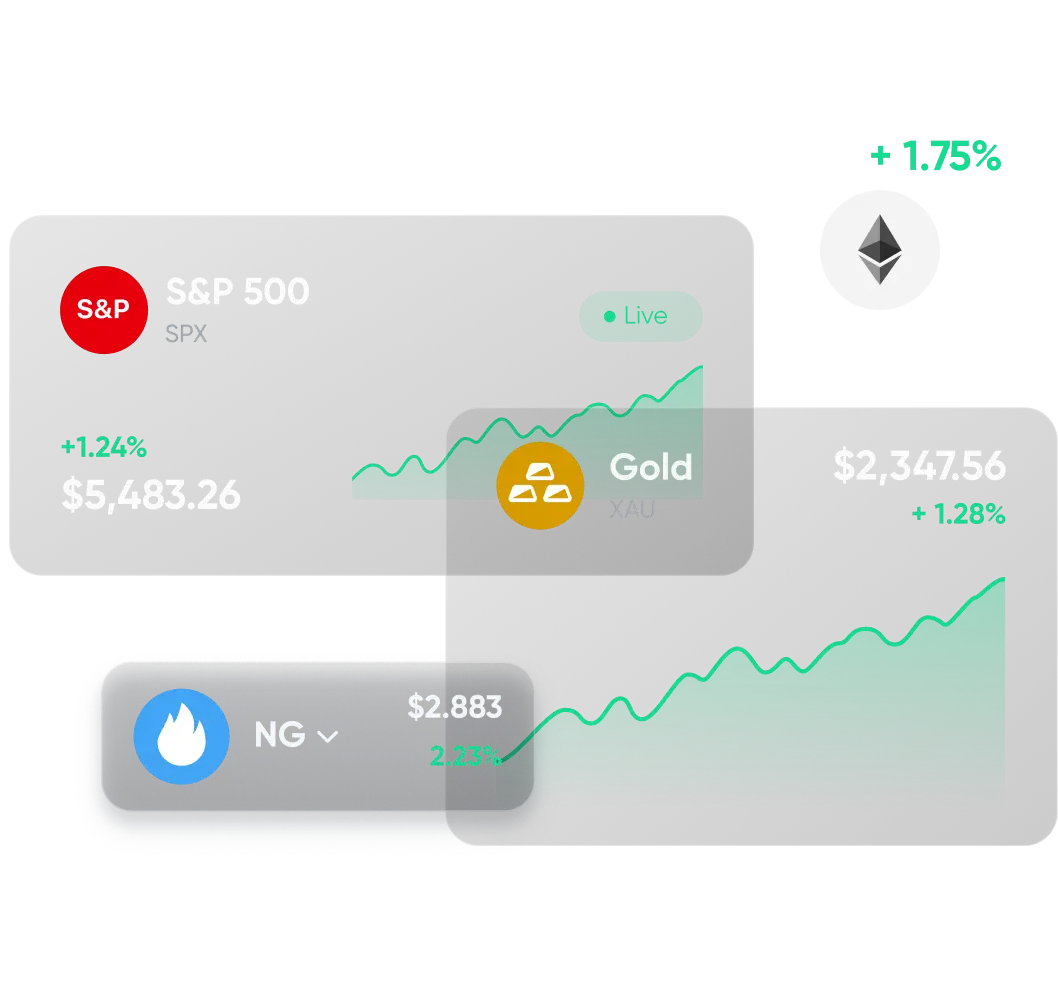
Take a long or short position on the prices of oil, natural gas, wheat, index and metals futures, without holding the futures contract or taking delivery.
“Wheat and corn mostly. I grew up on a farm outside Regina and harvest season still feels like my time of year 🌾”
Rory S.
“It took me a while to get that I’m trading a CFD on the oil price and I don’t own a barrel or a futures contract. Once that clicked, the expiry dates made a lot more sense. I asked support twice about what happens to a position near expiry and got a straight answer both times.”
Karin J.
“Natural gas gets jumpy in winter. I keep my positions small and have them sitting next to my FX trades in the same account.”
Aoife D.
“Index futures start moving hours before Wall Street opens. By the time the cash market gets going in the afternoon here, I’ve usually got a feel for the day.”
Felix A.
“Contango was a brand new word for me. Spent a rainy Sunday with the glossary before I opened anything on crude 📚”
Your First Futures CFD in Three Steps
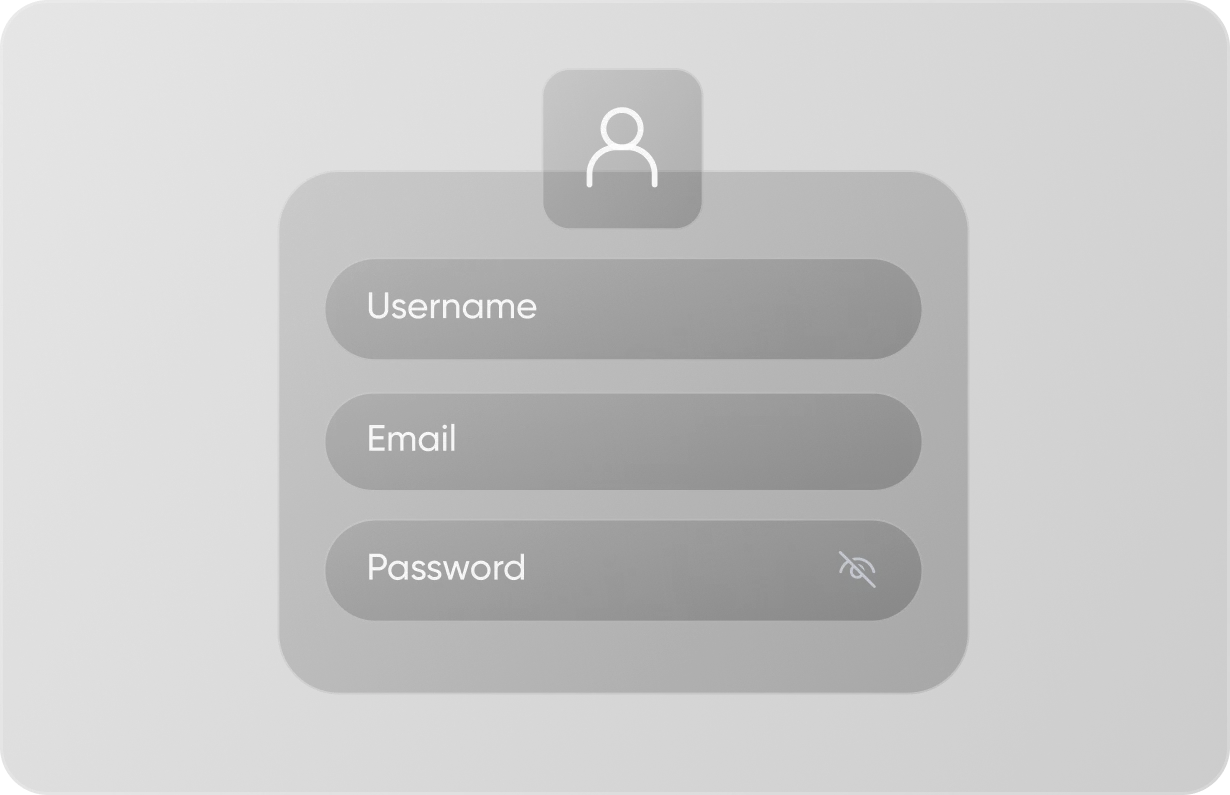
Create Account
Sign up and verify your identity to access the futures CFD markets available on SelfMSF.
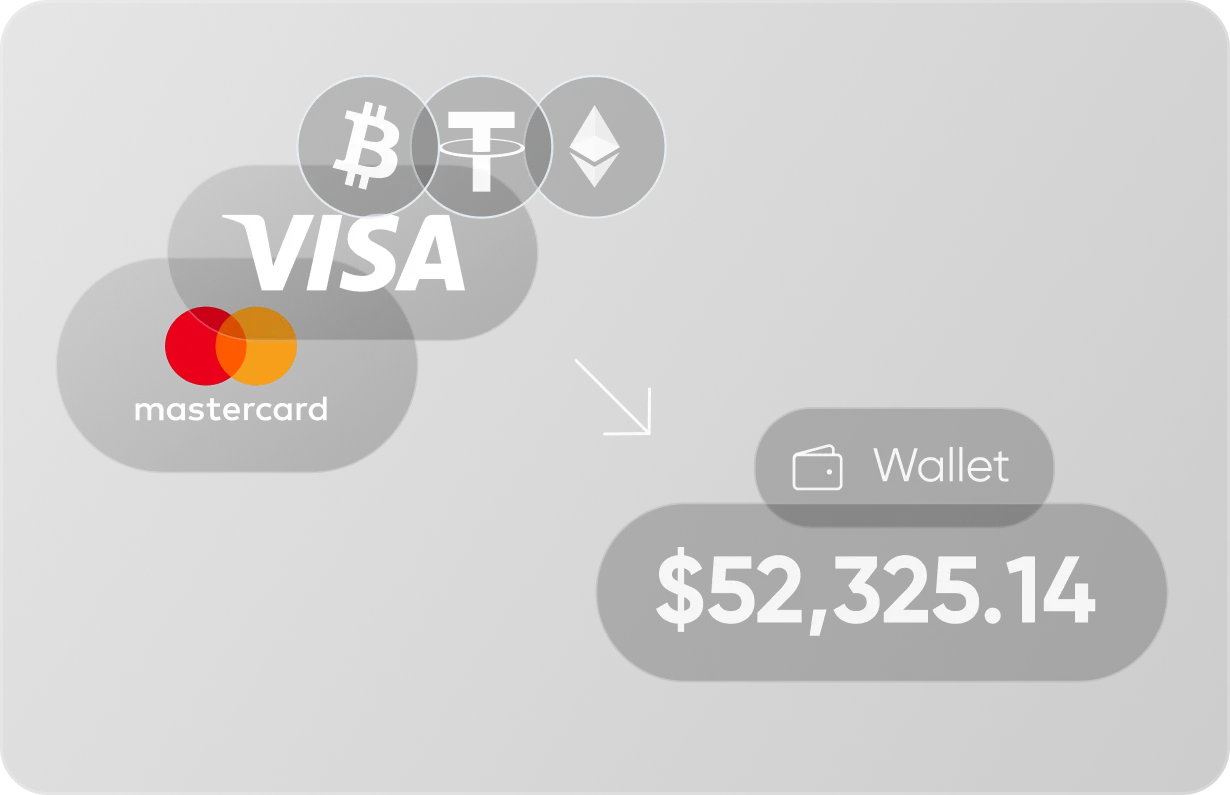
Deposit
Fund your account in your own currency, then check each market’s costs, including any rollover adjustment, before you trade.
Open Your Futures Position
Choose a futures-based market, decide whether to go long or short, and set your position size based on your trading plan.
How Futures CFDs Work on SelfMSF
What sets a futures CFD apart from a futures contract, and the costs and dates to check before you trade.
What are futures CFDs?
Futures CFDs are contracts for difference whose price is based on a futures contract, like crude oil or wheat futures. You take a position on that price going up or down, and your gain or loss is the difference between your opening and closing price, multiplied by your position size. On SelfMSF, futures CFDs sit in the same account as your other markets.
Is a futures CFD the same as a futures contract?
They’re different products. A futures contract trades on an exchange, has a standardized size and expiry date, and can be settled in cash or by physical delivery. A futures CFD lets you trade on futures price movements without owning the underlying contract or taking delivery. Position sizes and trading conditions depend on the provider.
Which futures-based markets can I trade on SelfMSF?
You can trade CFDs based on a range of global futures markets, including energy, agricultural, index and metals futures. Each market has its own trading hours and conditions, which you can check on the platform before you open a position.
How are futures CFD prices set?
Futures CFD prices are based on the underlying futures market, with the provider’s pricing and spread built into the quote. Futures prices can differ from spot prices because of factors like interest rates, storage costs and market expectations, and the two generally move closer together as the contract approaches expiry.
What happens when the underlying futures contract expires?
As the underlying futures contract approaches expiry, the related CFD position may be closed or rolled over to a later contract, depending on the provider’s terms. Rollover can involve a price adjustment or extra trading costs, because the next contract may trade at a different price. Expiry dates and rollover arrangements vary by instrument.
What does it cost to trade futures CFDs?
Costs usually include the spread, which is the gap between the buy and sell price, and some markets may carry a commission. Futures CFDs often carry no daily overnight funding charge, because the cost of holding is already part of the futures price, but a rollover adjustment can apply when the contract changes. The costs for each market are shown on the platform before you trade.
Is leverage available on futures CFDs?
Yes. Futures CFDs on SelfMSF can use leverage of up to 1:200, depending on the market and your account level. Leverage increases both gains and losses. Futures-based prices can gap when a market reopens after news or a weekend, and a gap against a leveraged position can mean a bigger loss than your stop loss level suggests.
Add Futures-Based Markets to Your Account
Open a SelfMSF account and trade CFDs on oil, grains, index and metals futures next to your forex, stocks and crypto positions.